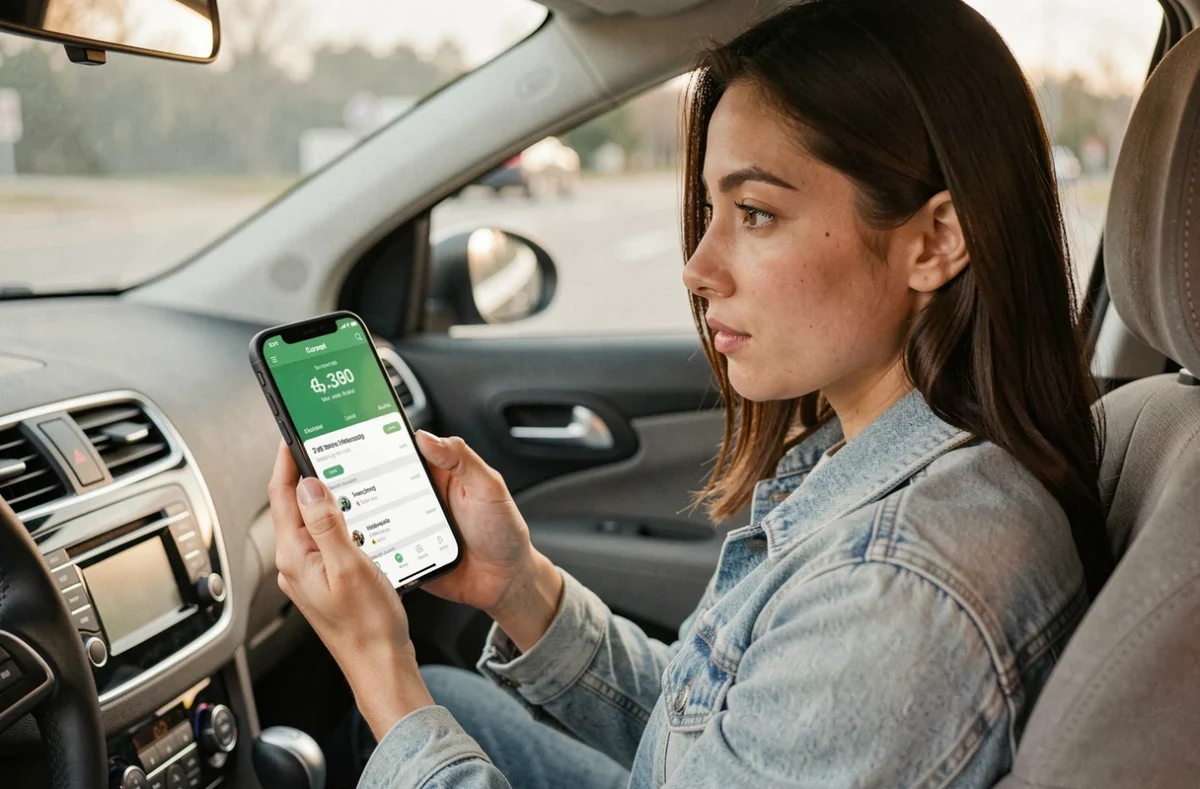
Each booking on BlaBlaCar generates fees that are added to the price displayed by the driver. These service fees, often misunderstood, represent the platform’s compensation for securing payment and managing cancellations. Understanding their mechanics allows for better anticipation of the actual cost of a carpooling trip.
BlaBlaCar Carpooling Taxation: Expense Sharing or Taxable Income
The tax question is rarely addressed in practical guides, yet it determines whether carpooling remains a simple economy or becomes a declared activity. The boundary depends on the structure of the trip, not the platform.
To remain within the framework of non-taxable expense sharing, the driver must make the trip for their own account. The amounts collected must not exceed the expenses directly related to the trip (fuel, tolls). As soon as a regular margin appears, the tax administration can reclassify these revenues as taxable profits.
On the passenger side, the contribution paid to the driver for a home-to-work trip can be deducted as actual professional expenses, with receipts. This possibility remains distinct from the exemption enjoyed by the driver. A detail that deserves verification with one’s tax office, as feedback varies on accepted receipts depending on the departments. To better understand BlaBlaCar fees on Autoscope, several scenarios are detailed there with concrete examples.
BlaBlaCar Commission: What the Passenger Actually Pays
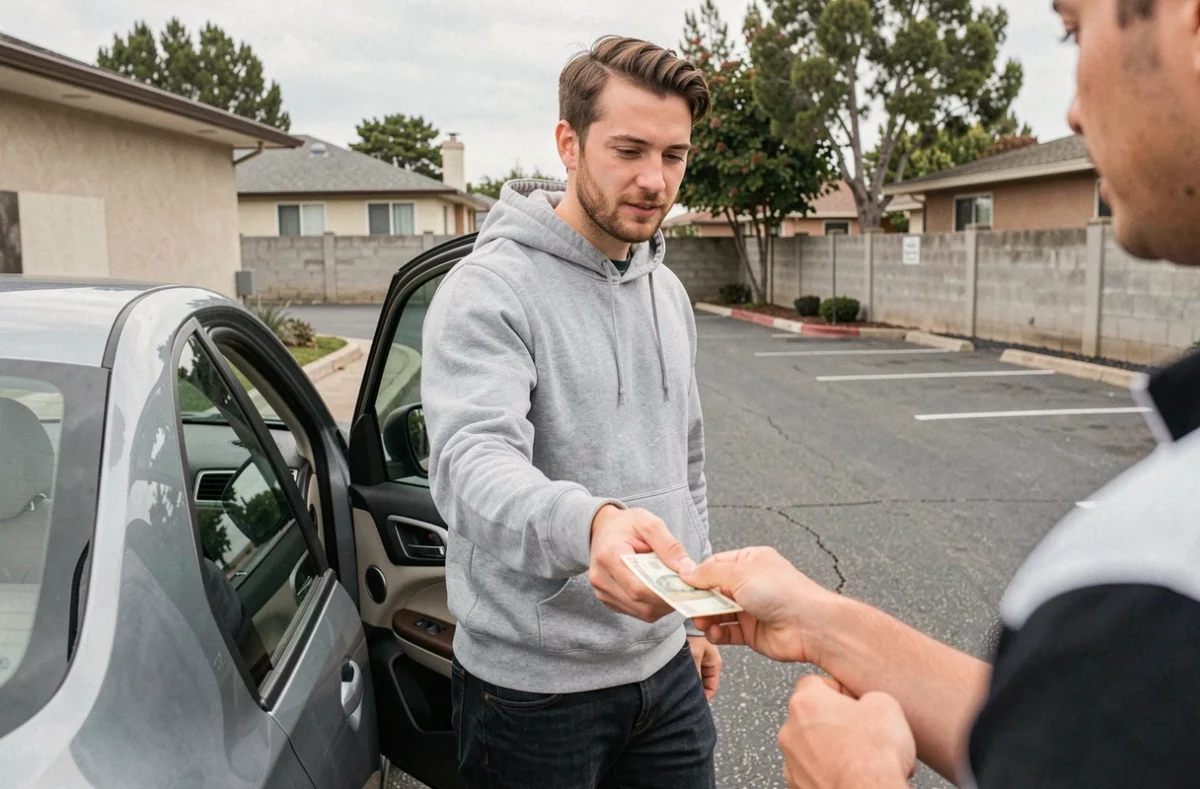
The price you see during the search is not the one set by the driver. BlaBlaCar adds a commission, called service fees, calculated on each booking. This commission covers the integrated insurance, the online payment system, and the management of disputes.
The driver only receives the amount they set, with no deductions. The total service fees are borne by the passenger. The amount varies depending on the distance and the price of the trip, but generally represents a significant portion of the total paid.
What the Commission Includes
- The insurance covering the trip booked via the platform, which complements the driver’s auto insurance.
- The secure payment system, with funds held until the trip is confirmed.
- The management of cancellations and refunds, the conditions of which vary depending on the timing.
A point to watch: late cancellation does not guarantee a full refund of the service fees. The refund conditions depend on when the passenger cancels relative to the scheduled departure time.
Sustainable Mobility Package and Home-to-Work Carpooling
For daily trips, BlaBlaCar carpooling (notably through the Daily offer) may entitle you to the sustainable mobility package. In the private sector, the employer can cover carpooling within the limit of an exempt annual ceiling.
The scheme remains optional. Your employer is not obliged to offer it, and its implementation generally requires a certificate or proof of regular carpooling. If your company has adopted it, the annual gain can significantly offset the accumulated service fees on your home-to-work trips.
The 100 Euro Carpooling Bonus: A Discontinued Scheme
Several online articles still mention the 100 euro bonus for new drivers. A decree from December 28, 2024, abolished this scheme effective January 1, 2025, with the closure of files initiated after January 31, 2025. Any reference to this aid as a current economic lever is therefore obsolete.

Practical Tips to Reduce the Cost of Your BlaBlaCar Trips
Reducing the bill does not solely involve hunting for the cheapest trip. Some levers deserve to be systematically exploited.
- Compare the total price (driver’s price + service fees) and not just the bolded displayed rate. Two trips at the same driver price can have different service fees depending on the distance.
- For home-to-work trips, check if your employer offers the sustainable mobility package: even partial, it reduces the net cost of each trip.
- Prioritize regularity: a driver who posts recurring trips via the multi-publishing calendar attracts loyal passengers, stabilizing occupancy and thus expense sharing.
The tax option of actual expenses, for a salaried passenger using carpooling daily, remains an underutilized lever. The deduction of the portion paid to the driver is possible with receipts, within the limits applicable to professional travel expenses.
The cost of a BlaBlaCar trip can be viewed at three levels: the price set by the driver, the commission taken by the platform, and the tax or employer mechanisms that can lighten the bill. Ignoring any of these levels amounts to comparing incomplete rates. The abolition of the carpooling bonus at the beginning of 2025 has reduced direct aids, but the sustainable mobility package and the deduction for actual expenses remain two active mechanisms that change the final calculation.